
Rosie's Law Initiative
Rosie's Law was inspired by a real custody case where the legal framework had no room for caregiving history or animal well-being. That gap became the foundation for this effort. Under Illinois law, companion animals are classified as personal property. Courts resolving possession disputes cannot evaluate who provided daily care, who managed veterinary relationships, or what continuity means for the animal's welfare. Rosie's Law supports a targeted update that gives courts discretion to consider those factors — without changing property classification, creating new causes of action, or mandating outcomes. Tameer Siddiqui, PsyD Founder and Director
Supporting HB4540 from within
We are committed to advancing companion-animal custody law reform in Illinois through thoughtful policy work.
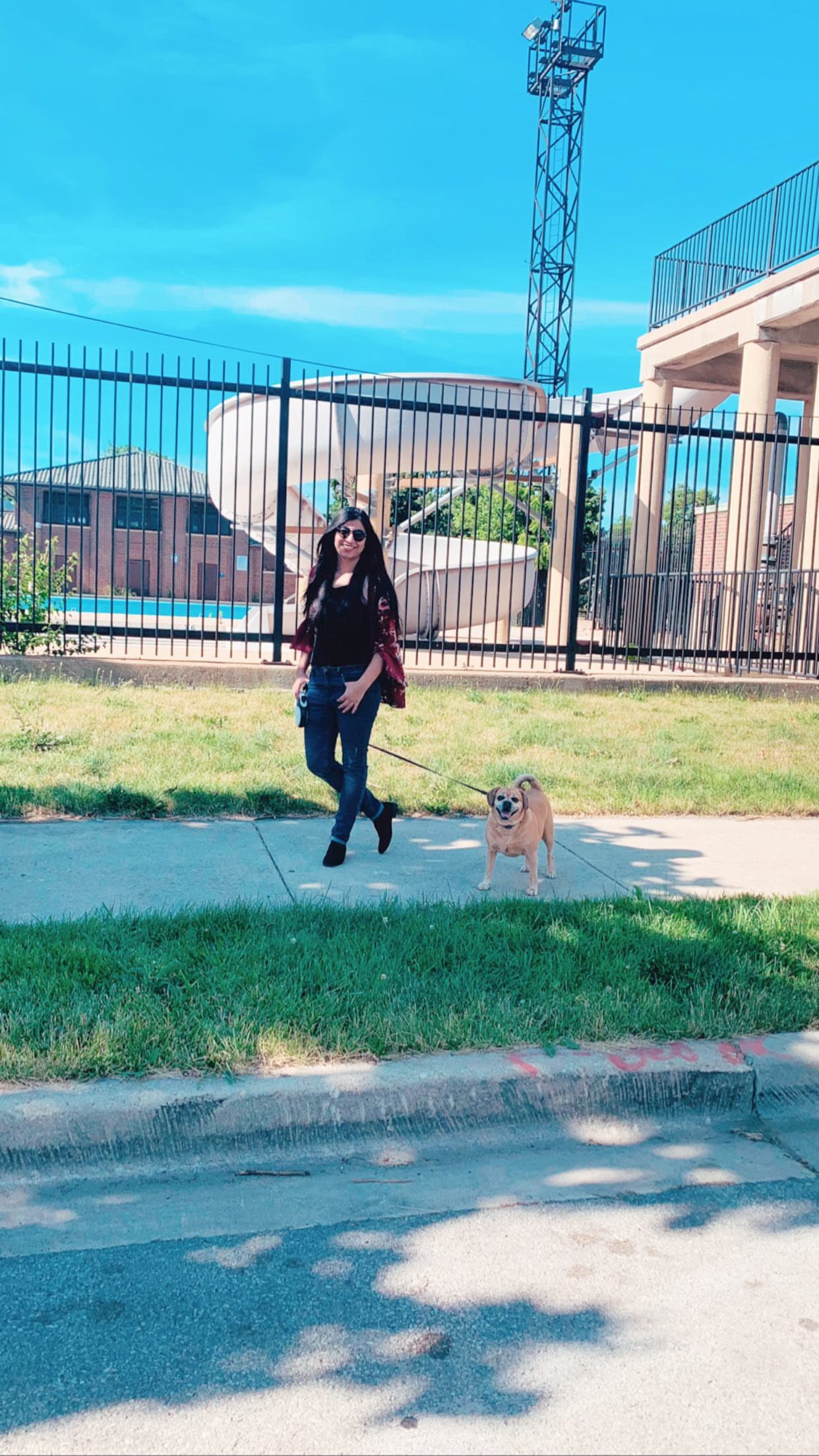
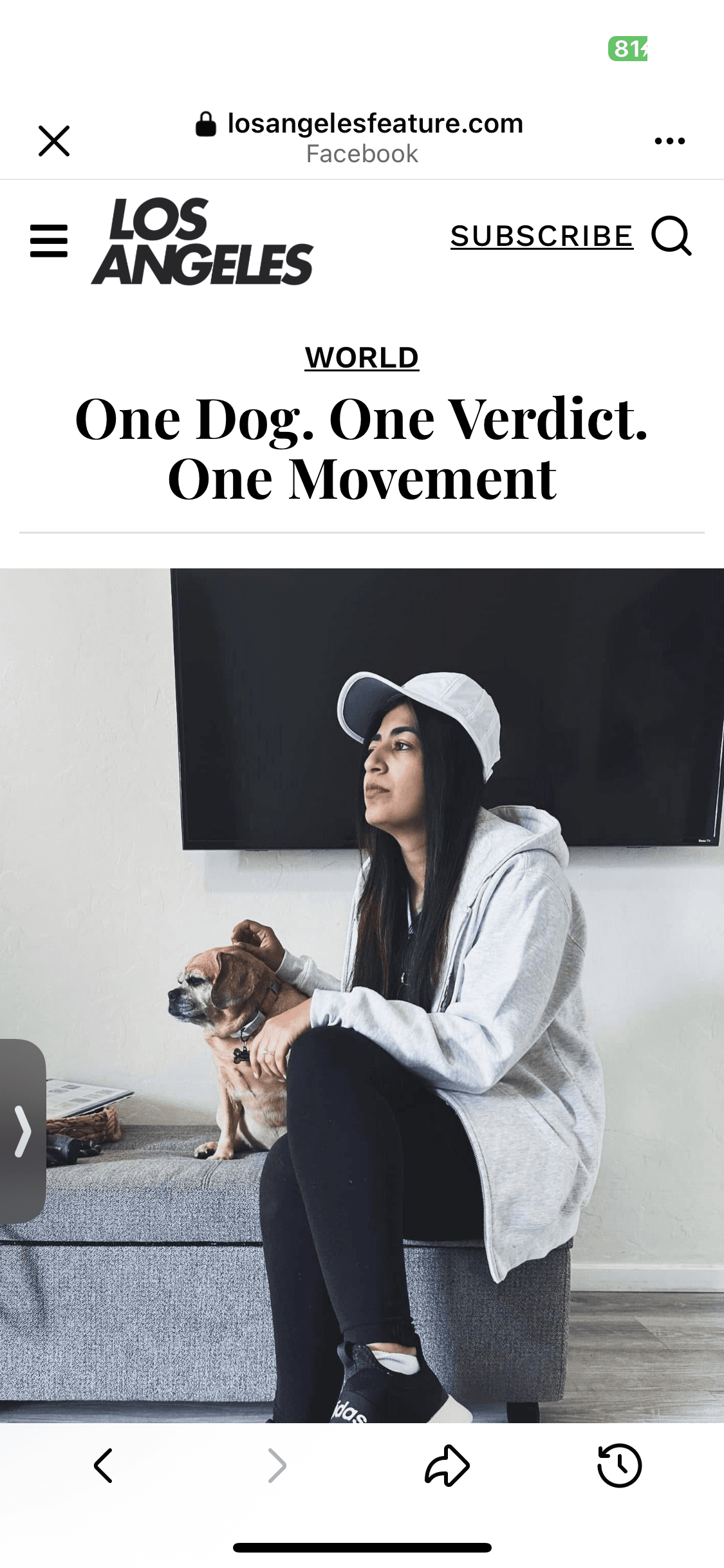
Rosie is a senior dog that lost the human she had imprinted on in a court case because the law could recognize her only as the equivalent of an inanimate object. Her lived bond and well-being were set aside--despite her being a living, breathing, sentient being--because her caregivers were not married. This initiative exists for every companion animal and their primary caregiver, so no one has to go through what Rosie and I were made to endure. At its core, Rosie’s Law Initiative is about this: improving welfare outcomes for companion animals and ensuring fairness for the people who have done the actual caregiving.
Tameer
Initiative Lead
As the Policy Outreach Coordinator, I focus on bridging the gap between legislative intent and community impact. Under Dr. Tameer Siddiqui's visionary leadership, my goal is to ensure that the voice of every primary caretaker and their voiceless animal companion is heard in the halls of both chambers of congress. I am dedicated to making Rosie’s Law a legislative priority, ensuring that animal welfare and human-pet bonds are protected through strategic coordination and advocacy.

Hassan
Policy Outreach Coordinator & Primary Contact for Rosie's Law Initiative
I'm the one who first brought replevin law to Tameer's attention when she was fighting her case. There were times I couldn't bring myself to show up to those hearings it was just too hard watching her dog being treated like property and all that caregiving meant nothing. It's honestly incredible that the drafted bill aims to amend replevin law by including real protections and safeguards for animals like Rosie. It's a no-brainer Rosie's Law deserves to pass both chambers.

Sepas
Contributer
Contributing to the original CACE Act (HB4540) reinforced a critical gap in current family law — courts lack the statutory framework to meaningfully evaluate a companion animal's established caregiving history when resolving possession disputes. Tameer engaged me to develop precise, substantive language defining animal well-being within a legal context, ensuring the legislation reflects both practical enforceability and genuine animal welfare standards. That contribution represents work of real consequence.

Tanveer
Contributer
The evidence supporting animal-welfare considerations in family law is strong. Rosie's Law gives Illinois courts the tools they need to make better decisions.

Shamim
Supporter
I was present at the court hearing when the judge compared ownership to Christopher Columbus “discovering” America first. Tameer corrected him, explaining that his own example actually proved the opposite that someone can arrive second and still have possession, which drew laughter from the gallery. The judge didn’t take it well and told her to sit down.
Asas
Participant
Questions about our mission and team
Find answers about Rosie's Law, HB4540, and how we're modernizing companion-animal custody law.
What is the Rosie's Law Initiative?
Rosie's Law Initiative is a legislative effort to modernize how Illinois courts handle disputes involving companion animals. It supports a targeted update allowing courts to consider caregiving history and animal well-being when resolving possession disputes.
What inspired this initiative?
Rosie's Law Initiative was inspired by a real court case involving a companion animal whose caregiving relationship was not reflected in the legal outcome. This case highlighted a structural gap in how courts evaluate possession disputes involving animals.
What is the current legal gap this bill addresses?
Under current Illinois law, companion animals are treated as personal property for unmarried families. Courts are often limited to ownership determinations and are not clearly authorized to evaluate caregiving or welfare considerations.
What legal framework does the initiative propose?
The initiative supports language allowing courts to consider the well-being of a companion animal and caregiving history. This is a discretionary standard that expands what courts may evaluate without mandating outcomes. Illustrative factors include daily caregiving, veterinary care, financial responsibility, emotional bond, stability of environment, and any history of neglect or disruption.
How is this approach legally positioned?
This approach does not change the classification of animals as property, does not create a new cause of action, and operates within existing civil procedure frameworks.
What is the policy rationale and implementation impact?
The initiative provides courts with tools to reach equitable outcomes while reflecting real caregiving relationships and continuity of care. No new infrastructure is required, there is no mandated increase in litigation, and judicial discretion is fully preserved.
Need more information?
Contact us directly for questions about Rosie's Law, HB4540, or media inquiries.
Building momentum for companion-animal custody reform
Rosie's Law has mobilized support across Illinois and positioned HB4540 as a credible, data-driven policy initiative for modernizing animal welfare law.
1
Lead researcher and strategist
Tameer Siddiqui, PsyD, guides the initiative with expertise in animal welfare policy and legislative strategy.
50+
Media placements secured
Rosie's Law has earned coverage from major outlets, establishing credibility and visibility for HB4540.
11
States with similar reforms
Our model is informed by successful custody reform in other jurisdictions, proving the approach works.
100%
Resource centralization
All legislative materials, bill text, and policy resources are available on one unified platform for lawmakers and staff.